
The Backbone of Supply Chains: Unlocking the Power of Inland Transportation
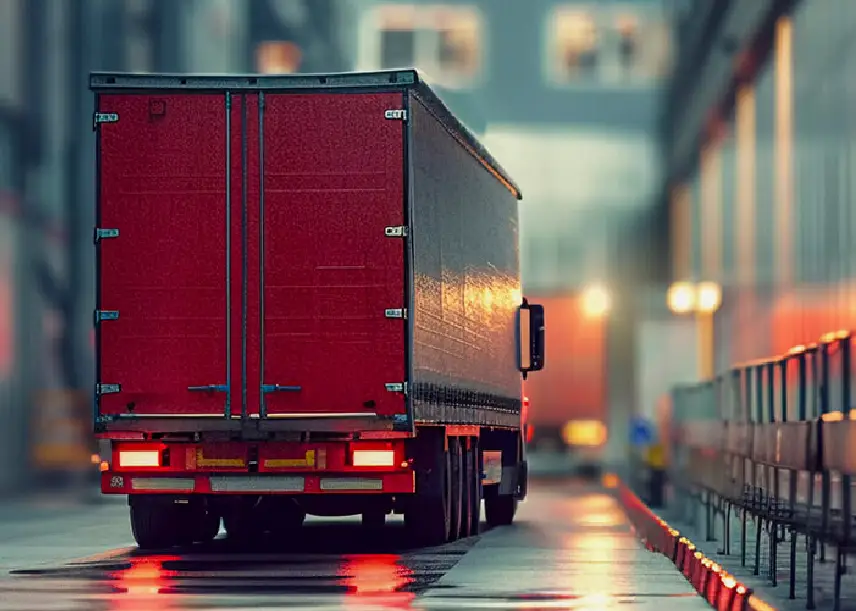
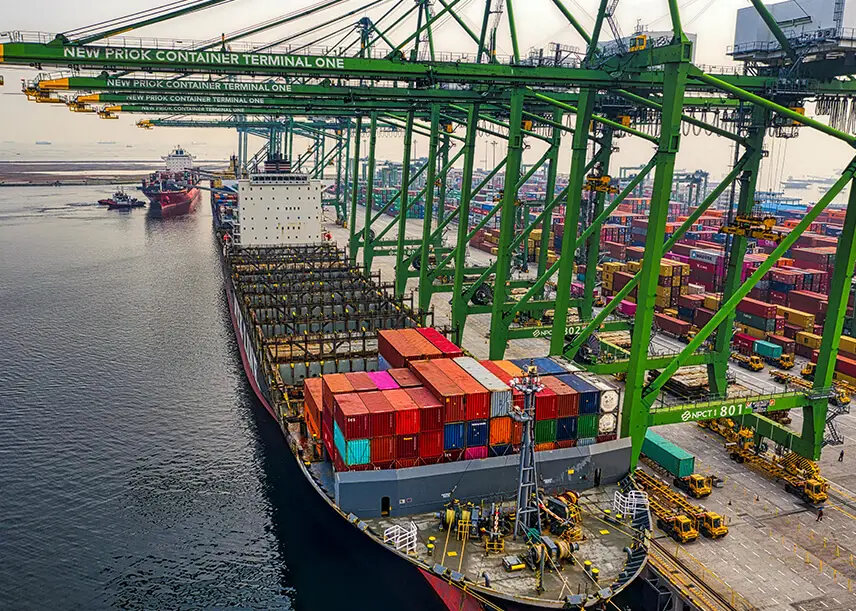
Inland transportation is the crucial link that connects ports, warehouses, and end destinations, forming the backbone of every successful supply chain. Whether by truck, train, or a combination of both, inland transport ensures goods move efficiently from seaports and airports to factories, distribution centers, and retail outlets across cities and rural regions alike.
One of the greatest strengths of inland transportation lies in its flexibility. With road transport, businesses can reach even the most remote areas, ensuring last-mile delivery and timely access to markets. Trucking services offer door-to-door convenience, making them ideal for time-sensitive shipments and diversified routes. For heavier or bulk cargo, rail transport offers a more cost-effective and environmentally friendly alternative, especially over long distances.
Integrated logistics strategies often rely on a blend of road and rail, known as intermodal transport. This approach optimizes delivery times while reducing congestion and environmental impact. Advanced route planning, GPS tracking, and fleet management technologies now allow logistics providers to offer real-time visibility, improve fuel efficiency, and ensure on-time performance.
Inland transportation also plays a vital role in customs clearance and documentation. Inland container depots and dry ports help streamline these formalities away from crowded seaports, reducing delays and improving cargo flow. This decentralization enhances efficiency and supports regional economic development by creating logistics hubs closer to manufacturing zones and consumption areas.
As global trade grows and customer expectations rise, the role of inland transportation becomes even more critical. Businesses depend on reliable inland logistics to maintain supply chain resilience, minimize transit costs, and deliver superior service. In a world driven by speed and precision, well-managed inland transport is not just a link — it’s a competitive advantage.


Leave a comments