
Navigating Global Trade: The Enduring Importance of Sea Freight in Modern Logistics
Sea freight remains one of the most vital pillars of international trade, handling approximately 90% of the world’s goods by volume. Despite the rise of air and rail alternatives, ocean shipping continues to offer unmatched cost-efficiency for transporting large quantities of goods across long distances. From raw materials like coal and oil to finished products such as electronics and clothing, sea freight plays an indispensable role in keeping global supply chains moving.
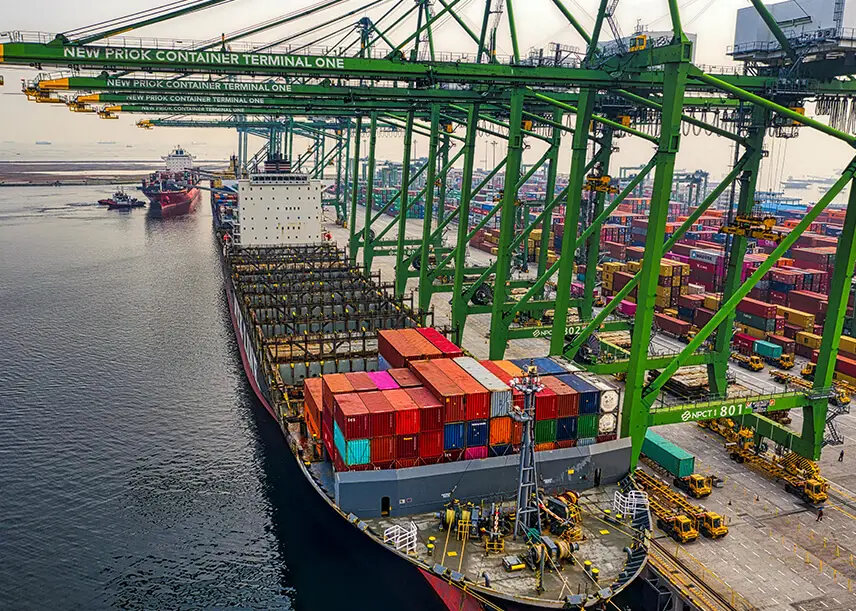
One of the key advantages of sea freight is its ability to move massive volumes at a relatively low cost compared to other transportation modes. Container ships can carry thousands of twenty-foot equivalent units (TEUs), making it an ideal option for businesses looking to ship bulk orders or heavy cargo. Additionally, advancements in ship design, port infrastructure, and tracking technology have made sea freight more reliable and efficient than ever before.
Modern sea freight services also offer a variety of options tailored to different business needs. These include Full Container Load (FCL) and Less than Container Load (LCL) services, allowing flexibility for small and large shipments alike. Freight forwarders and shipping companies provide end-to-end solutions, including customs clearance, documentation handling, and inland transportation, streamlining the entire shipping process.
Sustainability is another area where sea freight is making significant strides. New regulations and innovations are helping reduce the environmental impact of ocean shipping. The use of cleaner fuels, energy-efficient vessels, and digital technologies is enabling the industry to move toward greener logistics while maintaining competitiveness.
In conclusion, sea freight continues to be a cornerstone of global commerce. Its ability to deliver goods across continents in a cost-effective and increasingly sustainable manner ensures that it will remain essential to businesses and economies worldwide. Whether you’re a small exporter or a multinational corporation, leveraging the strengths of sea freight can be a smart and strategic logistics decision.


Leave a comments